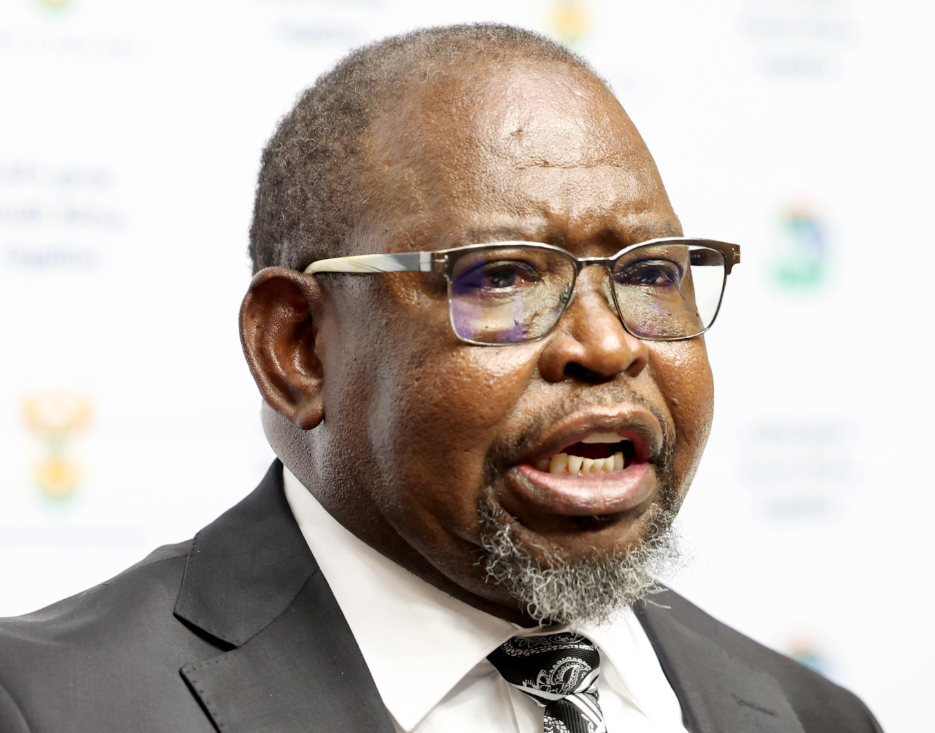
Cape Town – The Economic Freedom Fighters (EFF) and Finance Minister Enoch Godongwana have returned to the Western Cape High Court, where a legal dispute over the fuel levy increase has been argued before a full bench, with judgment now reserved.
The case stems from the EFF’s bid to have the recent fuel levy increase set aside, arguing that it was unlawfully imposed and should have been processed through Parliament as a money bill.
On Wednesday, the EFF argued that sections of the Customs and Excise Act do not give the finance minister unilateral authority to amend or increase the fuel levy.
EFF representative Mfesana Ka-Siboto told the court that the adjustment announced in the February budget was effectively used to compensate for the failed Value Added Tax (VAT) increase last year, and therefore required parliamentary approval.
The Western Cape High Court has reserved judgment in the Economic Freedom Fighters’ challenge to the government’s fuel levy adjustments. The party argues that Finance Minister Enoch Godongwana did not have
the authority to implement the increases announced last year. The matter… pic.twitter.com/jb0E1tcKR1— Newzroom Afrika (@Newzroom405) May 20, 2026
“A bill is a money bill if it abolishes, reduces, or grants exemptions from any national taxes, levies, duties, or surcharges, which is the whole construct of this notice by the minister,” Ka-Siboto argued.
The EFF has maintained that the matter raises broader constitutional concerns about the limits of the finance minister’s powers in imposing financial measures.
However, counsel for the finance minister, Kameel Premhid, countered that the fuel levy is not a tax and therefore falls within the minister’s regulatory authority.
NEWS: The EFF has warned that the Minister of Finance, Enoch Godongwana, is violating the constitution by increasing the fuel levy without a money bills – The News Box pic.twitter.com/MyBBKHOA0A
— Sihle Mavuso (@ZANewsFlash) May 26, 2025
“The minister is not inventing a new tax; he’s simply exercising his power to change the levy, which he’s entitled to do,” Premhid told the court.
He further argued that requiring parliamentary approval for such changes would significantly delay fiscal decision-making, potentially taking months or even up to a year.
The full bench has reserved judgment in the matter, which could have wider implications for how the finance minister exercises authority over fuel levy adjustments in future budgets.
Follow African Insider on Facebook, X and Instagram
For more African news, visit Africaninsider.com
Compiled by Betha Madhomu