Cape Town – The National Treasury has announced an extension of temporary fuel levy relief measures to cushion consumers from rising fuel prices driven by ongoing tensions in the Middle East.
In a statement issued on Tuesday, Treasury confirmed that the initial R3 per litre reduction in the general fuel levy — introduced on 1 April —will be extended.
“To provide further relief and to address concerns of higher inflation and negative impacts on economic growth due to increasing fuel prices, the following relief measures are proposed for May and June 2026,” the statement said.
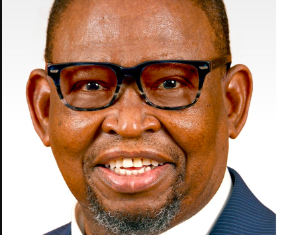
Finance Minister Enoch Godongwana has proposed that the petrol levy cut remain in place until 2 June 2026, while relief for diesel will be expanded.
“Given the large expected increases in the price of diesel, the Minister of Finance proposes that the temporary relief for diesel is increased by 93 cents to R3.93 per litre, reducing the levy to zero,” Treasury said.
#FuelLevy | Finance Minister Enoch Godongwana says government’s decision to introduce a temporary R3 per litre fuel levy reduction is aimed at cushioning South Africans from what he describes as a significant economic shock driven by global oil price pressures.
🔗 Source:… pic.twitter.com/EbcySdSf4w
— South African Government (@GovernmentZA) April 28, 2026
The measures come as the “continuation of the Middle East conflict has resulted in consistent pressure on global oil prices which has led to increases in domestic fuel prices.”
Government said the relief would be gradually phased out. “For the month of June 2026, the Minister of Finance proposes that the level of relief is halved to phase out the relief before July,” the statement noted.
From July, fuel levies are expected to return to normal levels, with petrol set at R4.10 per litre and diesel at R3.93 per litre.
Treasury estimates the cost of the relief between April and June at R17.2 billion in foregone revenue but stressed that the intervention would not disrupt the country’s fiscal framework.
“The fuel levy relief measure is designed to be revenue neutral and will be funded through a combination of higher-than-expected tax revenue and underspending and will not have an impact on the fiscal framework adopted by Parliament following the 2026 Budget,” it said.
Authorities also confirmed that a review of the fuel pricing formula is underway, which will inform how fuel prices are regulated in future.
In addition, the Self-Adjusting Slate mechanism will be applied, meaning the slate levy on petrol and diesel will be adjusted in May to account for under-recoveries by fuel importers.
Follow African Insider on Facebook, X and Instagram
Picture: X/@PresidencyZA
For more African news, visit Africaninsider.com
Compiled by Betha Madhomu