The summit, attended by leaders including Pedro Sánchez and Luiz Inácio Lula da Silva, focused on confronting extremism, polarisation and inequality.
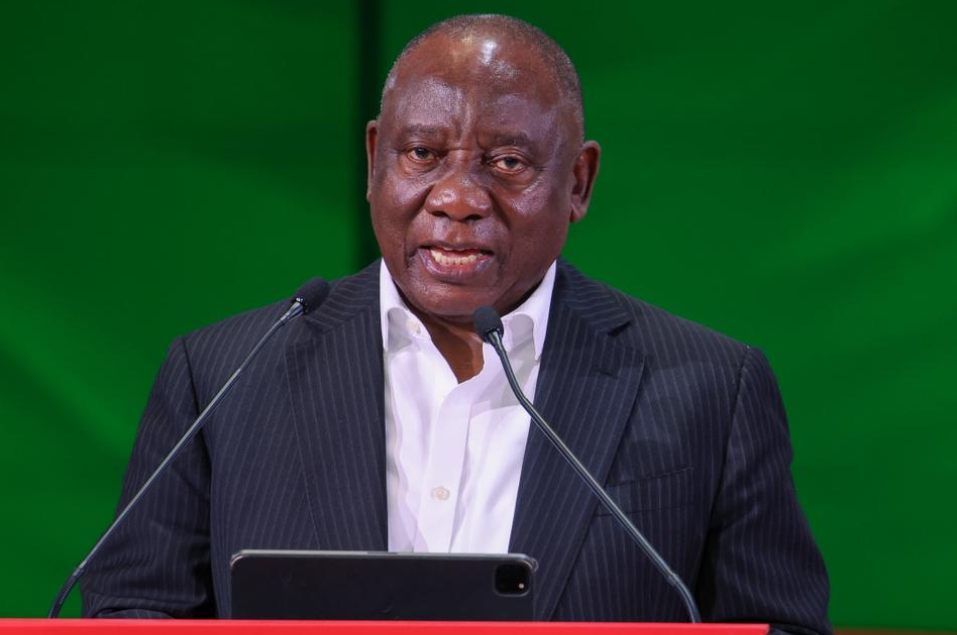
Ramaphosa stressed that inequality remains a central threat to democracy, revealing that South Africa, during its G20 presidency, commissioned the first global inequality report led by Nobel laureate Joseph Stiglitz.
He said that inequality is not inevitable and can be addressed through deliberate policy choices. A key recommendation was the establishment of an International Panel on Inequality to monitor global trends and guide policy responses.
With endorsement from the African Union, South Africa plans to table a draft resolution at the United Nations General Assembly later this year to formalise the panel.
Ramaphosa urged countries to support the initiative, warning that inequality erodes trust in institutions and weakens democratic participation.
“We were very pleased that many nations said that they would support that initiative at the United Nations General Assembly, which we will put forward at the end of the year.
“It is important for us because addressing inequality has to be a global task, because inequality weakens democracy. It makes people lose confidence in institutions and makes people want to participate less in the affairs of their countries because they are poor and unemployed.”
He added that global cooperation is essential to counter rising instability and ensure peaceful conflict resolution.
“So the various leaders who came here were essentially saying that the progressive nations must have a response, and our response must be to mobilise the world, to mobilise progressive forces in the world, to be more focused on peace, to be more focused on resolving problems without resorting to war, and to be mobilised in adopting policies that are going to address the challenges that people face.”
Ramaphosa also called for more African nations, including Botswana and Ghana, to join the initiative, emphasising that strengthening democracy requires a sustained global push for equality and social justice.
Highlighting South Africa’s own challenges, he noted the country remains among the most unequal in the world due to the legacy of Apartheid, but said there is both the will and the means to address inequality.
“We have the determination and the means to end inequality. Now we must act,” he said.
“This is the time for us to lead the world to address inequality.”