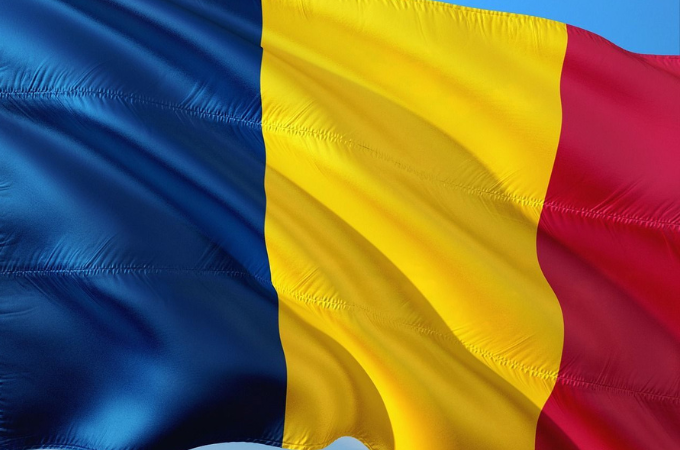
N’Djamena – Chad has shut its desert border with war-torn Sudan, hoping to reassert its neutrality in the devastating conflict despite accusations of supporting the Sudanese paramilitaries, sources close to the Chadian authorities say.
Nearly one million of the displaced are in Chad, however. And Sudan’s army and NGOs have accused Chadian President Mahamat Idriss Deby Itno of facilitating alleged weapons deliveries from the United Arab Emirates to the RSF.
Darfur, a vast region in western Sudan bordering Chad, is almost entirely under RSF control since the city of El-Fasher fell in October.
On February 21, the RSF claimed to have captured the border town of Al-Tina, the twin of Al-Tine on the Chadian side.
The paramilitaries have conducted several operations near the Chad border, killing 15 Chadian soldiers and eight civilians since December, according to an AFP count.
Chad shut the border on February 23 in a move that Communications Minister Gassim Cherif Mahamat said aimed to prevent “any risk of the conflict spreading”.
Chad “reserved the right to retaliate against any aggression or violation of the inviolability of its territory and its borders”, he added.
While cross-frontier trade and movement is halted, some special exemptions are planned so that Sudanese can still seek refuge in Chad, the communications minister said.
The 1,400-kilometre (870-mile) desert border is hard to control.
But the announced closure allows the Chadian authorities to regain a stance of neutrality “faced with RSF allies who are losing ground militarily”, a Chadian diplomat told AFP speaking on condition of anonymity.
“The UAE is under enormous diplomatic pressure because of the accusations… made against the RSF, which it supports,” the source added.
Family ties
The UN rights office last month accused Sudan’s paramilitaries of war crimes and possible crimes against humanity during the capture of El-Fasher, saying some 6,000 people were killed in just three days.
The UAE denies sending weapons, fuel and men to the RSF, despite evidence from independent investigations and international reports.
“There is strong diplomatic pressure to bring this conflict to an end and Chad is obliged to adapt to this new reality,” an ally of Chad’s Prime Minister Allamaye Halina told AFP.
Remadji Hoinathy, a researcher at the Institute for Security Studies think tank, said “the tide is turning” against the paramilitaries and their UAE allies.
“The international backers of the conflict seem increasingly inclined towards peaceful solutions,” he added.
The deaths on the Chadian side have also made it more difficult for Deby to be seen to be supporting the RSF in any way, analysts said.
“The aid given to the RSF is extremely controversial inside the military and security apparatus,” said Roland Marchal, a researcher at the Centre for International Studies (CERI) in Paris.
Deby and several top officers are from the influential Zaghawa ethnic group, who live on both sides of the Chad-Sudan border.
The Zaghawas formed the majority in El-Fasher. In the civil war that erupted in Darfur in 2003, they were targeted by the notorious Janjaweed militia, many of whom have since joined the RSF.
Hoinathy, the ISS researcher, said there were fears that Sudan’s civil war could spread into Chad “on ethnic lines, with Chadian soldiers helping their cousins harassed by the RSF”.
Follow African Insider on Facebook, X and Instagram
Picture: X/@ConstitutionNet
For more African news, visit Africaninsider.com
Source: AFP