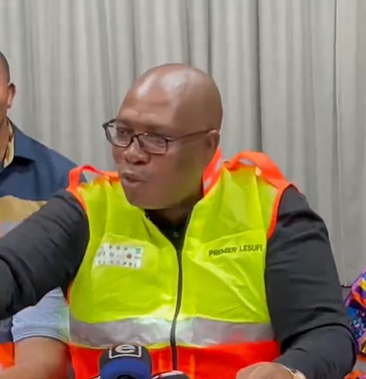
Johannesburg – Gauteng Premier Panyaza Lesufi has come under criticism on social media following remarks about how he copes during water shortages, sparking debate about the province’s ongoing water challenges and government accountability.
“People think that if there is no water, ourselves, our families have got special water – we don’t. We also go through [the same inconveniences]. I mean in some instances I had to go to a certain hotel so that I bath to go to my commitments. We also go through the same inconveniences like any other person,” Lesufi said.
“There is no special water or a special pipe that is designed to serve other people and nor servie other people. Our families, our relatives, ourselves, our constituents – they suffer the same pain. We don’t have water when communities don’t have water. But what we need to do – we have got a responsibility to fix the problem.”
The remarks have drawn sharp reactions from members of the public and political commentators, with many questioning the accessibility of such alternatives for ordinary South Africans.
Totally out of touch. Is this the modern version of “let them eat cake” pic.twitter.com/2F2bDfvby2
— Mmusi Maimane MP (@MmusiMaimane) February 11, 2026
Build One South Africa (BOSA) leader Mmusi Maimane criticised the comments, describing them as disconnected from the lived realities of residents affected by persistent water supply disruptions.
“Totally out of touch. Is this the modern version of “let them eat cake”,” Maimane said.
Gauteng, particularly parts of Johannesburg and surrounding municipalities, has faced recurring water supply challenges linked to ageing infrastructure, maintenance backlogs, rising demand and system pressure.
Authorities have previously acknowledged that intermittent outages and water restrictions remain a concern in several communities.
The City of Johannesburg recently announced efforts to stabilise the water supply network through a water demand management programme. The initiative involves collaboration between Johannesburg Water, Rand Water and other stakeholders to address both immediate supply constraints and long-term infrastructure upgrades.
Lesufi has previously emphasised the need for infrastructure investment and coordinated intervention to tackle water security in Gauteng, although his latest remarks have intensified scrutiny over government responses to service delivery challenges.
Follow African Insider on Facebook, X and Instagram
Picture: Screengrab
For more African news, visit Africaninsider.com
Compiled by Betha Madhomu