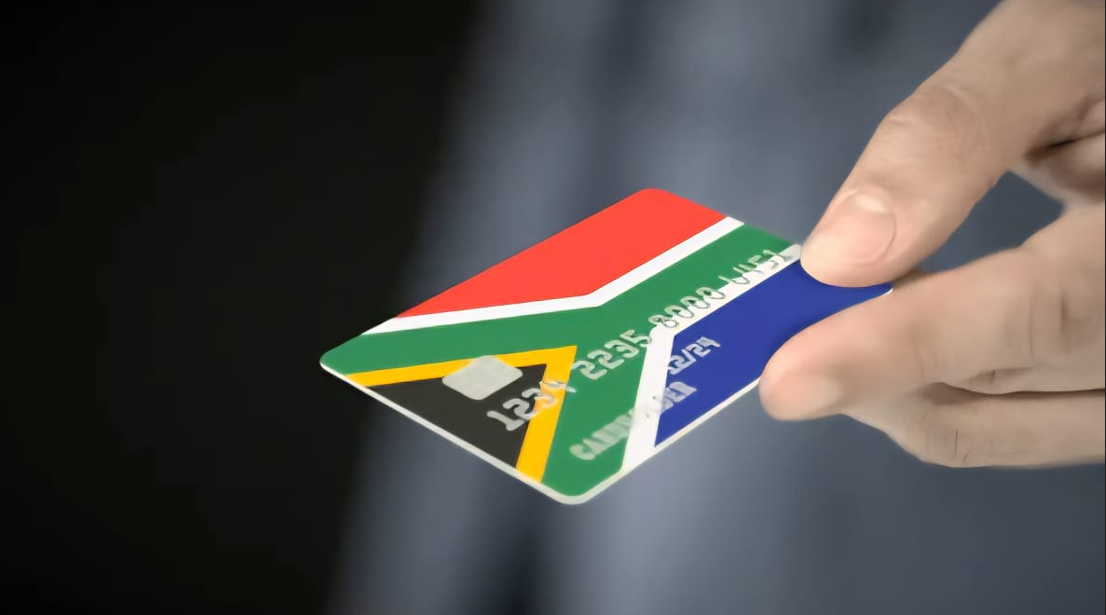
Credit has become a tool for everyday survival for most households in South Africa, instead of being used as a mechanism for long-term financial planning. New research finds that borrowing is rampant, levels of savings are dangerously low, and many households have resorted to risky and unregulated forms of credit.
Wonga, a regulated online loan provider in South Africa, recently conducted a representative, nationwide survey into the use of credit. Polling of more than 12,000 South Africans across every income bracket found that while credit is widely used by almost 90% of adults, only 27% have any form of savings buffer. In an economy facing a rising cost of living and stagnant wages, this lack of a safety net means that most households are ill-equipped to deal even with minor emergencies.
The Growth of Informal Lending
While the majority of respondents said that they would prefer to borrow from regulated, formal credit providers, the reality is not quite so rosy. Around 15% of those polled reported that they were borrowing from informal lenders, or “mashonisas,” as they are known in local communities.
This form of lending falls outside the framework of South Africa’s National Credit Act, which governs all formal credit providers. This means that there are no limits on fees, interest rates or structured repayment programmes. While informal lending can provide speedy liquidity, it can have hazardous consequences for borrowers.
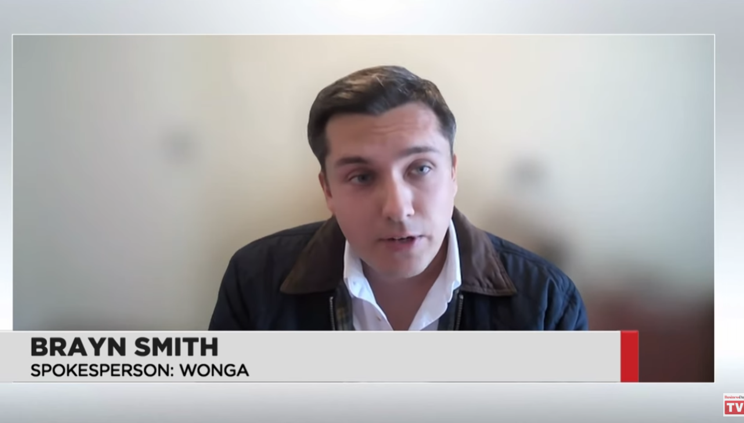
According to Wonga spokesperson Brian Smith, this phenomenon is due not to preference but rather practicality. Regulated credit providers are required to make affordability assessments before issuing loans. While these requirements are designed to encourage responsible lending behaviour, they can also have the unintended consequence of excluding potentially creditworthy individuals from being able to borrow.
Many South Africans do not have an established credit record or consistent income history that would make them eligible for a regulated loan. For these consumers, there are few options but to turn to informal lenders when their household is faced with a sudden cash flow shortage.
Using Credit as a Tool for Emergencies
The survey also looked at how respondents were using the credit they had taken out. To the surprise of many, 43% said they used borrowed money for unplanned emergencies like medical expenses, transport problems or even just ordinary household expenses that would have ideally been covered by a savings buffer in more stable financial circumstances.
Apart from emergencies, credit is also being used for what economists call “developmental” purposes. This includes everything from starting businesses to renovating a home or even purchasing a car or house. Borrowing money for these kinds of expenditures was reported by 26% of respondents, but they were doing so by taking out short-term and personal loans.
This points to an underlying structural issue, however. While there are mechanisms in South Africa’s credit system that allow for developmental credit, statistics from the National Credit Regulator indicate that only 0.1% of loans issued in the last year qualified as a developmental product. This highlights a serious misalignment between credit policy and access.
A Knowledge Gap in the Credit System
There was also concern about literacy regarding different types of credit products. The survey found that 6% did not know the difference between formal and informal credit products, while more than half indicated that the main factor when choosing a lender was speed of delivery.
For many financially distressed households, getting cash quickly outweighs all other considerations when choosing a lender. Factors like interest rates, long-term affordability or even regulatory protections become secondary issues. Credit can easily become a lifeline for these households, effectively entrapping them in a cycle of unsustainable debt.
While the survey did not directly measure the level of literacy among respondents, these findings raise strong concern. This also indicates that there may be a sound argument for increased communication and further literacy training in the area of credit products. It is essential that borrowers understand how these products work, what the differences are, and especially their risks if they are to make use of them.
A Dire Need for More Access to Regulated Credit
Researchers are cautiously optimistic that solutions will be brought to South Africa’s problems with credit through lenders, regulators and policymakers actively collaborating with each other. While the National Credit Act is rightly praised for its progressive nature, it may not fully take into account the fact that a significant part of South Africa’s population is unbanked.
One potential solution for improved access to safe, affordable regulated credit is the use of alternative datasets by regulated lenders. With customer permission, transaction histories and patterns could be used to determine a borrower’s ability to repay a loan as opposed to reliance on traditional income and credit scoring methods. These strategies have already been implemented in many other countries and are known as open banking or open transactional data.
Informal lenders will no longer have an advantage if these systems can be implemented responsibly by regulated lenders without compromising the regulatory framework.
A Credit System Under Pressure
The survey has revealed that South African households face a credit system under pressure. Credit has become an essential lifeline for many consumers. If meaningful steps are not taken to develop a culture of savings instead of borrowing, educate borrowers on responsible borrowing and improve access to safe and affordable regulated credit options, the future will remain bleak for many households when weathering financial shocks – and they face the risk of financial distress.
As South African policymakers continue to debate the pros and cons of reform proposals from various interest groups, these discussions may eventually lead to useful reform strategies. Balancing improved access with consumer protection mechanisms may yet be a formidable challenge shaping the country’s credit system for decades to come.