Cape Town – A decision by the City of Tshwane to disconnect electricity at the Nigerian High Commission in Pretoria over unpaid municipal utility bills has sparked significant outrage on social media and prompted official comment from the Federal Republic of Nigeria’s Ministry of Foreign Affairs.
On February 2, Tshwane Executive Mayor Nasiphi Moya announced on X that the city had cut power to the diplomatic mission as part of its aggressive new revenue-collection campaign known as #TshwaneYaTima, aimed at enforcing payment from residents, businesses and institutions with outstanding municipal accounts.
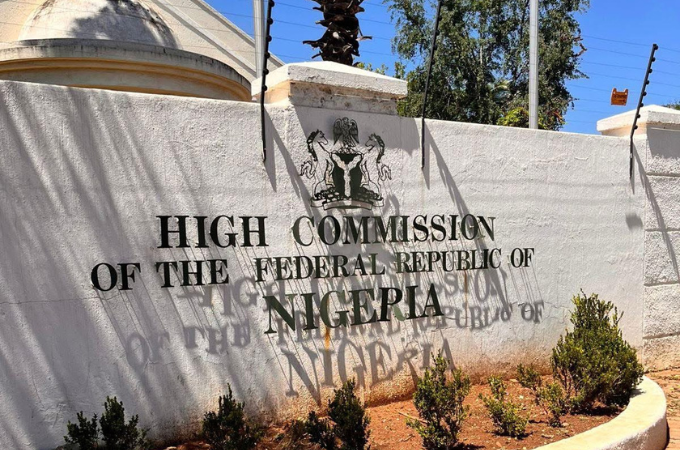
“#TshwaneYaTima: We’ve disconnected electricity at the High Commission of the Federal Republic of Nigeria. They owe the city for utility services,” she wrote, alongside a photo of the High Commission building.
Hours later, Moya posted that the outstanding amount had been settled and that supply would be restored.
“We thank the High Commission of the Federal Republic of Nigeria for honouring its debt to the city. The city will reconnect electricity,” she said.
We thank the High Commission of the Federal Republic of Nigeria for honouring its debt to the city. The city will reconnect electricity . @CityTshwane https://t.co/h9J54J2ue4
— Dr Nasiphi Moya (@nasiphim) February 2, 2026
The episode triggered a strong reaction from Nigerians on social media, with some users condemning the mayor’s public announcement.
One user, Akeem, wrote: “Stop disrespecting Nigeria … This was never necessary to be posted on X.”
Stop disrespecting Nigeria 🇳🇬. When you all think of how to become popular or trend, the Nigeria or Nigerians come to your mind for dragging.
This was never necessary to be posted on X, but all you wanted was to trend on Nigeria 🇳🇬.
Congratulations to you gained popularity.
— Akeem (@ak_ade) February 2, 2026
Another, Olori Oluseun, questioned the follow-up message: “Why thanking again after you have dragged us online already?”
Others took issue with the city’s claim that payment had been made, with one commenter demanding proof: “Show us the valid receipt … because we know how Nigeria government can overturn truth very fast.”
History has a long memory, and nations, like men, keep accounts beyond your balance sheets.
Today you preen over a settled obligation, performing moral superiority for applause. Very well.
But know this: a day will come when the wheel turns, when circumstances reverse, and…
— Olamide Oni (@lamidex2) February 2, 2026
The Nigerian government did issue an official response explaining why the mission had fallen behind on payments.
Kimiebi Imomotimi Ebienfa, spokesperson for Nigeria’s Federal Ministry of Foreign Affairs, said the mission’s inability to settle the bill was linked to broader administrative issues at home.
“If they say Nigeria has not paid in January, that means there is no money for Nigeria to pay in January because the budget has not been passed,” Ebienfa said, referring to delays in the passage of Nigeria’s 2026 national budget.
He added that the ministry was working with the Pretoria mission and South African authorities to resolve outstanding debts and restore electricity: “The Ministry wishes to inform that the unfortunate issue … has been resolved. The Mission has just informed us that the outstanding bills have been paid and electricity has been reconnected.”
Follow African Insider on Facebook, X and Instagram
Picture: X/@nasiphim
For more African news, visit Africaninsider.com
Compiled by Lisabeal Nqamqhele