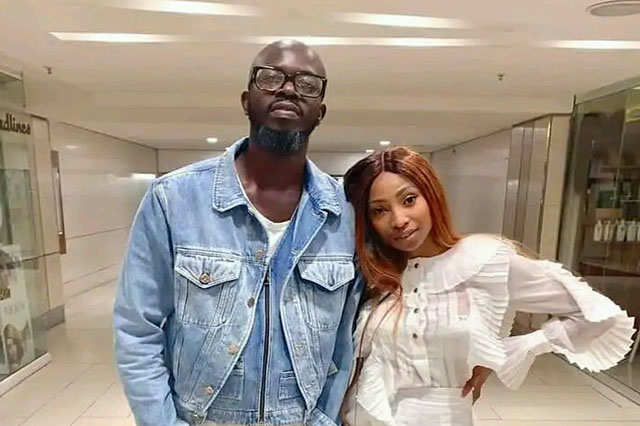
Cape Town – Actress and public figure Enhle Mbali Mlotshwa has reignited public conversation about her long-running and highly scrutinised relationship with Grammy-winning DJ Black Coffee, particularly concerning the nature of their marriage and its legal status.
At the centre of the debate is whether their traditional union constituted a customary marriage under South African law — a question that has shaped the outcome of their divorce proceedings and broader discussions about marital rights in the country.
Mbali’s comments come from an older interview on the SABC show Real Talk with Anele, where she firmly confirmed the couple were married under customary law following traditional ceremonies.
Speaking about the union, she said, “We had the marriage going, it’s just the wedding. My dream [of a home] was more important than the wedding,” and when asked whether Black Coffee pushed for a formal wedding ceremony, she replied, “Yes.” This interview clip has resurfaced amid legal controversy, underscoring her stance that their traditional marriage was both authentic and meaningful.
The couple first celebrated a traditional wedding in 2011, followed by a white wedding in 2017, but it is the customary union that has become legally significant.
In October 2025, the Johannesburg High Court ruled that the customary marriage was valid and that their later antenuptial contract was ineffective in excluding community-of-property status — a decision that dramatically shaped the financial and legal aspects of their divorce.
LOL, he was the one who was pressuring Enhle with the white wedding. 7 years into their marriage he realized/was advised that they were married ICOP and he was getting richer and richer. White wedding = Civil marriage with a prenup. https://t.co/qR6tOYFWKr pic.twitter.com/uMOCuRyGQE
— Ye (@TraceeEllisRows) January 23, 2026
Under the ruling, Mbali was entitled to spousal maintenance and shared asset rights, with the court ordering Black Coffee to pay her monthly support.
Black Coffee has publicly challenged those findings, including on social media, insisting there was “no customary marriage.” In one post, he wrote that their case differed from broader Constitutional Court rulings, clarifying his belief that “we both never intended to enter into a customary marriage.”
He added that details of their legal case, including the signed prenup and intentions behind the civil marriage, supported his position.
Despite these arguments, legal proceedings continue. In early 2026, Black Coffee obtained leave to appeal to the Supreme Court of Appeal (SCA), specifically disputing key findings around consent and the validity of the customary marriage — an appeal that will test how South African courts interpret customary law in high-profile separations.
The broader implications of this saga have resonated beyond celebrity circles, touching on how traditional marriages are legally recognised in South Africa and what protections are afforded to spouses in customary unions, especially when antenuptial contracts are signed later. Mbali’s reflections on her marriage and its legal outcomes continue to shape public conversations about rights, tradition, and modern relationships in the country.
(4/4) CCT 280/24 Director of Public Prosecutions, Johannesburg and Another v Jonathan Schultz and Othersand CCT 190/25 Director of Public Prosecutions, Bloemfontein v Nomalanga Moroadi Selina Cholota pic.twitter.com/PLe3AmK7Lt
— Constitutional Court (@ConCourtSA) January 23, 2026
Follow African Insider on Facebook, X and Instagram
Picture: X/@Joy_Zelda
For more African news, visit Africaninsider.com
Compiled by Lisabeal Nqamqhele