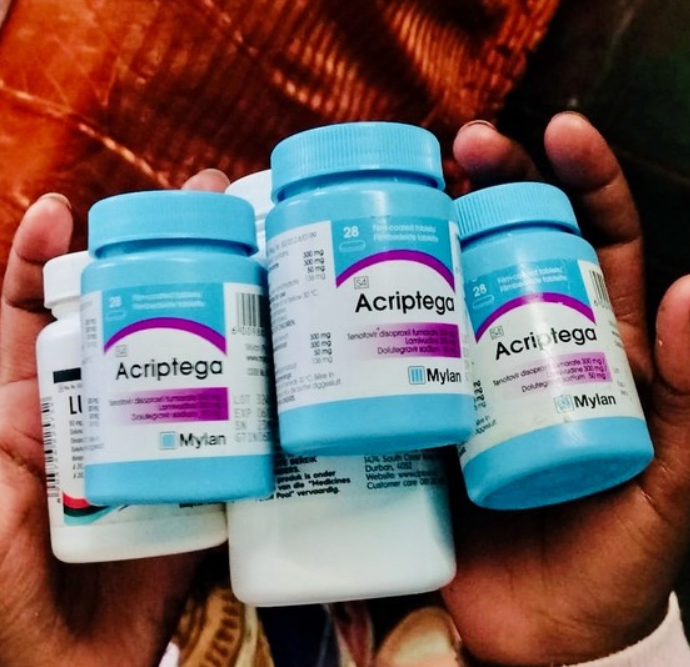
A woman selling these ARVs to immigrants in Johannesburg says she gets them from staff at a local clinic who give her a cut of the profits. Photos: Kimberly Mutandiro
By Kimberly Mutandiro
- Immigrants say clinic staff at Spartan, Jeppe and Yeoville clinics in Gauteng are extorting money from them by charging them for antiretrovirals (ARVs), other chronic medicines and baby immunisations.
- The going rate for a three-month supply of ARVs appears to be R300.
- The National Department of Health says it is unaware of this but condemns it and requests that anyone with evidence contact the department or law enforcement.
Last week, the Gauteng High Court ordered the government and police to take firm action against “xenophobic vigilantes” blocking immigrants from accessing health services at clinics. This came after months of reports that vigilantes were screening out immigrants at Johannesburg clinics. In November, the high court interdicted Operation Dudula from demanding to see IDs of members of the public.
We have subsequently heard from immigrants that clinic and security staff, sometimes in cahoots with Operation Dudula members, are extorting money from them in return for access to state health services.
At some clinics, immigrants are admitted but then never served, or they are told that there is no stock of the medicines they require. The desperate patients are then open to extortion. This takes the form of clandestinely selling them ARVs and chronic medicines.
GroundUp went to various clinics in Gauteng and was told of extortion at all the hotspots where Operation Dudula has been blocking immigrants from healthcare.
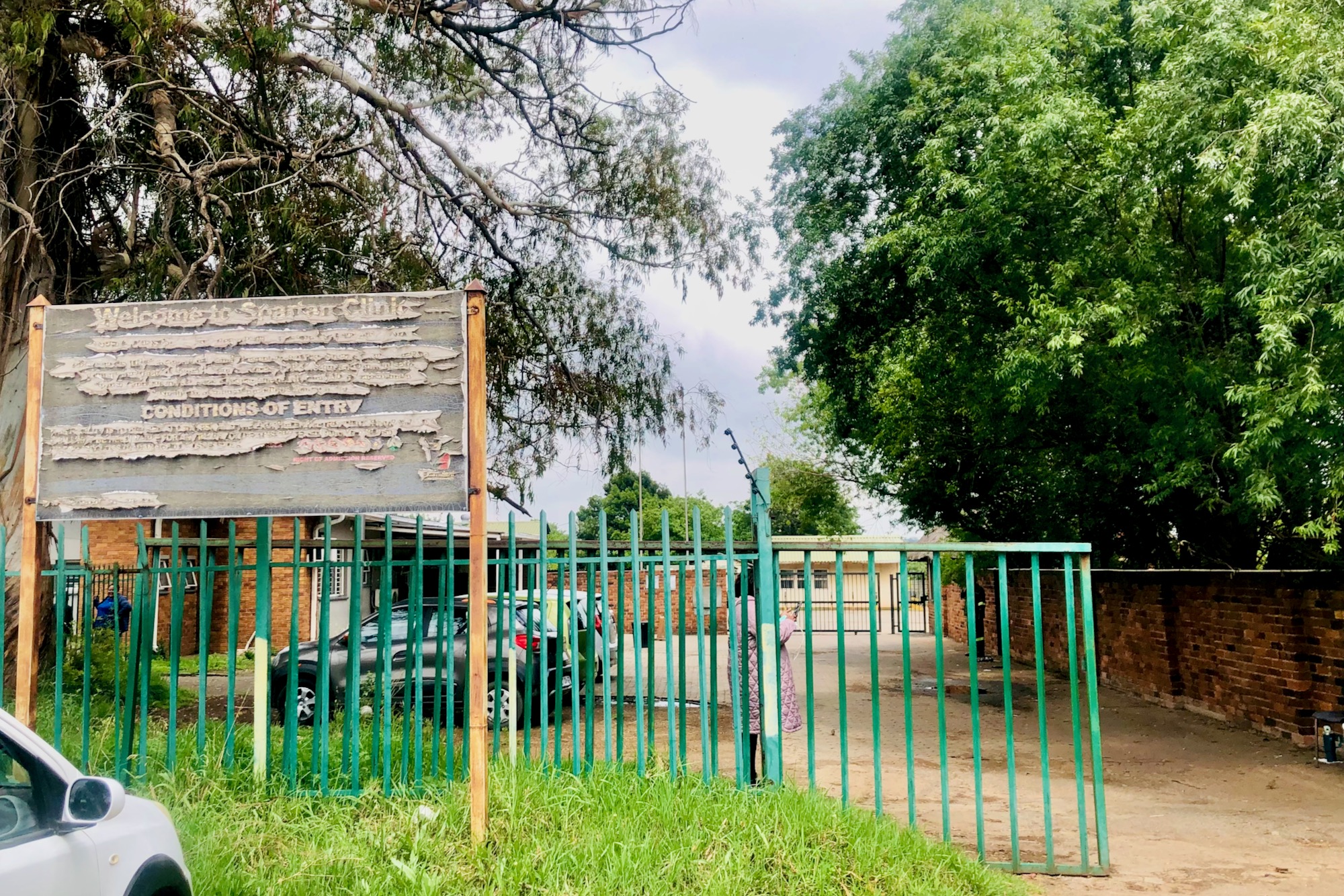
An immigrant woman says she had to pay R200 to a staff member at Spartan clinic in Kempton Park to get her month supply of ARVs.
Spartan clinic
We received a tip-off that some staff at Spartan clinic are secretly sharing their WhatsApp numbers with immigrants desperate to access healthcare. The staff then offer ARVs, other chronic medicine, baby immunisations, prenatal care for pregnant mothers, and other services for various fees. Those who agree to pay are admitted to the clinic by special appointment.
To protect our sources, we will not be naming patients.
Q, a patient at Spartan since 2019, would collect her ARVs from Spartan clinic every three months. But since October, because she is an immigrant, she has been chased away at the gate.
A fellow immigrant then gave her the WhatsApp number of a nurse, who told her she could get her ARVs if she paid.
“I was desperate and feeling sick from spending weeks without my medications,” says Q.
She made an appointment and was ushered in by the nurse. It surprised her that the same security guards and Operation Dudula members who had previously chased her away, did not stop her this time.
Inside, she paid R200 for a month’s supply of ARVs. She was told it would cost her much more at a private pharmacy.
“The money I earn as a food vendor is very little. My life is now in danger because I need to take my ARVs to survive,” says Q.
K, also an immigrant, shared screenshots of a conversation she had with a staff member at the clinic. ARVs are quoted at R200 for one month and R300 for three months supply. Diabetes medication was offered for R200.
GroundUp also received this price list after we messaged the clinic staff member.
“As immigrants we feel vulnerable, because clinic staff and Operation Dudula members are now taking advantage of our desperate need for chronic medication to make money. They should be stopped,” said K, who has been struggling to collect her ARVs for months.
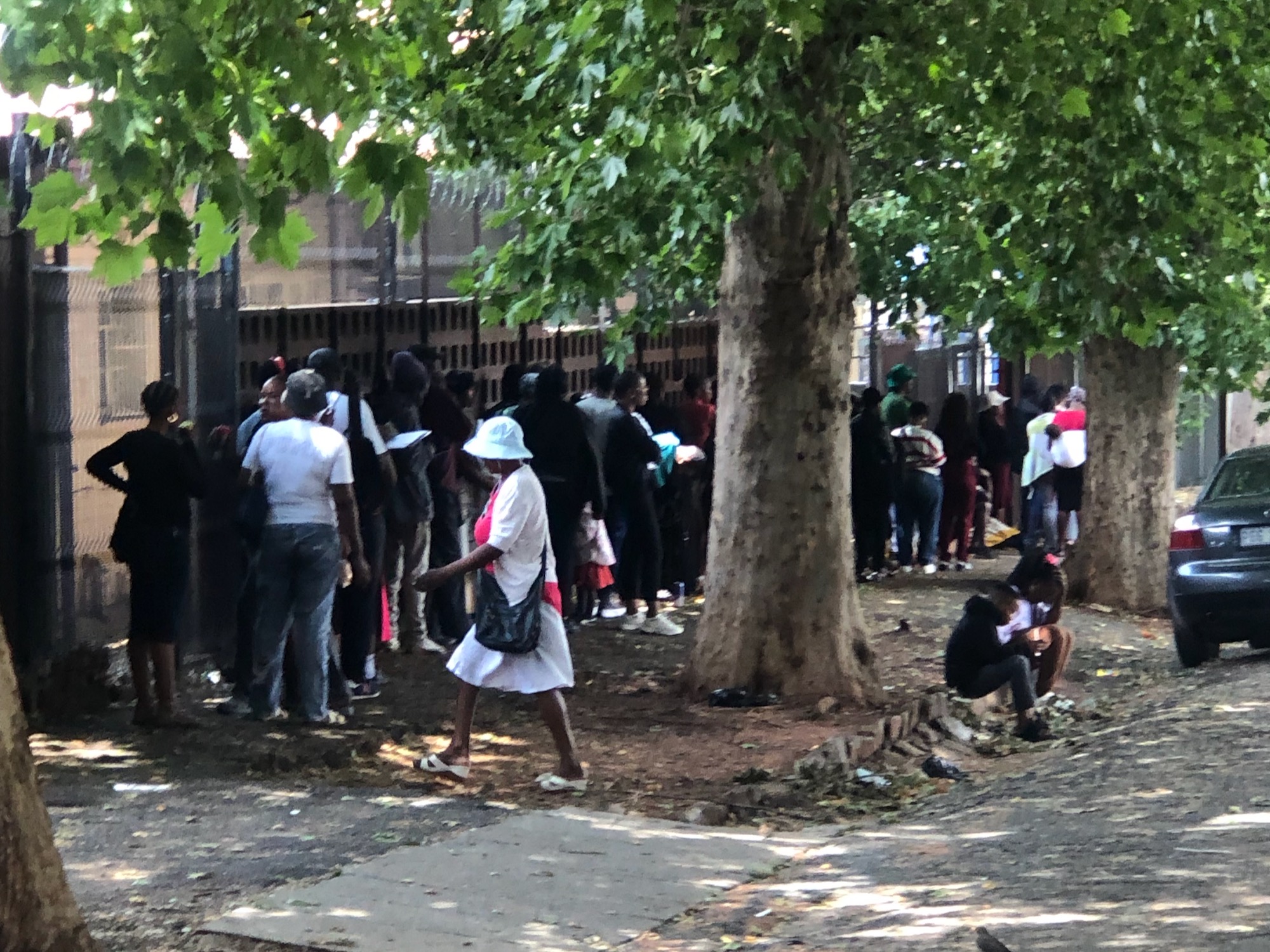
When we visited Jeppe clinic there were long queues. Immigrants said they are no longer chased away at the gate, yet they are not served when they get inside.
Jeppe Clinic
When we visited Jeppe clinic last week there was a long queue. It included a few immigrants who had returned after being chased away previously.
P, an immigrant, said she had managed to get inside on Monday and Tuesday last week for the first time since August, but she left empty-handed, with the staff not willing to serve her.
P then bought ARVs for R300 from a woman who has connections with the clinic staff.
This woman, M, says she is helping fellow immigrants who are struggling to get their medication from clinics. We met her with bottles of ARVs in her backpack. She was delivering them to her “clients” in one of Johannesburg’s “dark buildings”.
M has chronic high blood pressure. Previously, she was also chased away from Jeppe clinic by members of Operation Dudula. Then a staff member gave her WhatsApp number and asked her to find other immigrants who need chronic medication.
M says she buys ARVs, PreP pills, diabetes and blood pressure medication from the clinic. The staff member gives her R50 kickback on every R300.
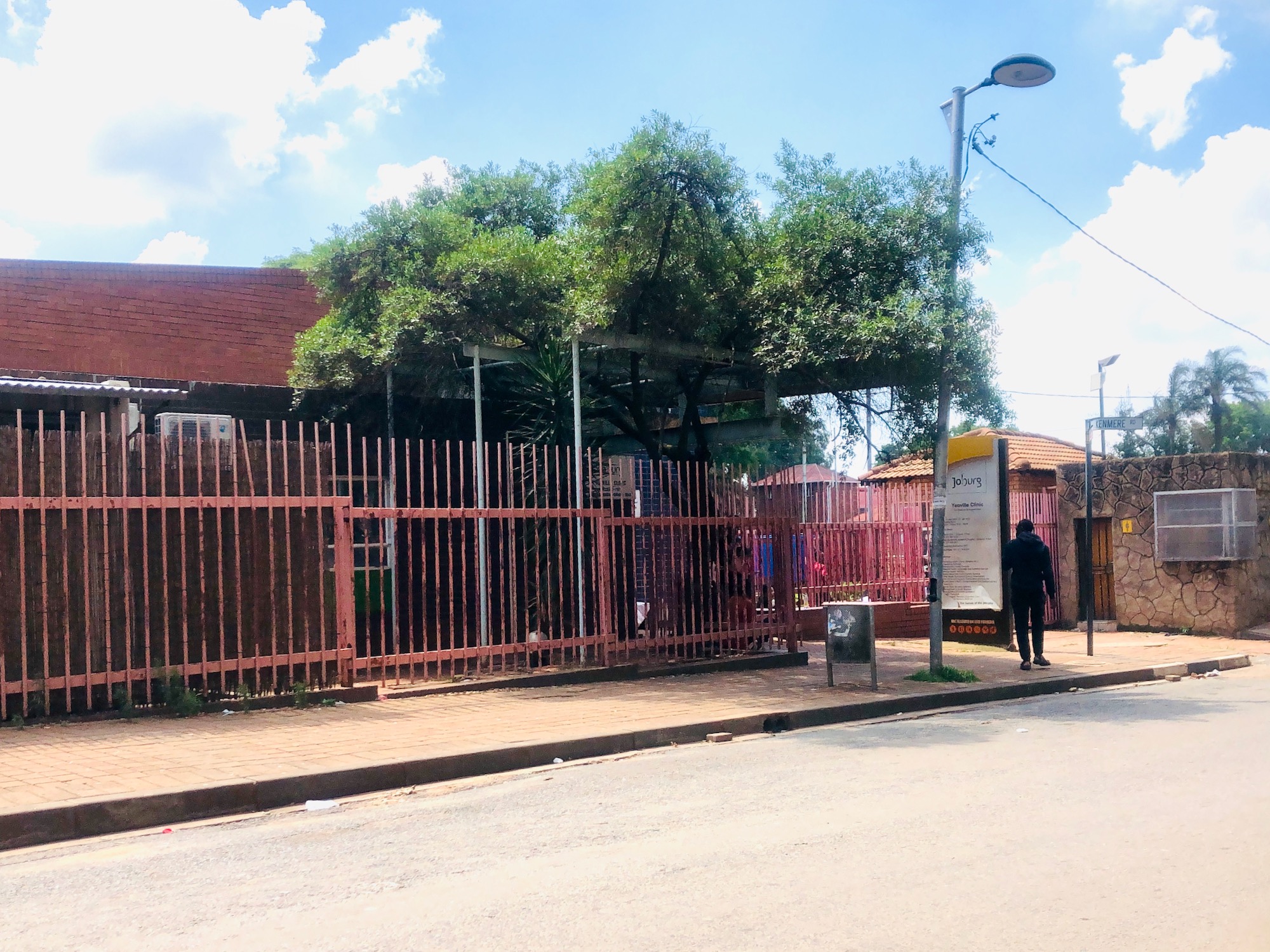
We were told that a Zimbabwean woman had to pay R150 to a staff member at Yeoville clinic to have her baby immunised.
Yeoville clinic
At Yeoville clinic, immigrants told us Operation Dudula and clinic staff now allow them entry if they have valid permits and asylum documents. Meanwhile undocumented immigrants are turned away. Security guards confirmed this to GroundUp.
Z, who sells airtime on the street, has a Malawian passport that has expired. She says she was chased away from the clinic. She said her Zimbabwean neighbour paid R150 to a staff member to have her baby immunised at the clinic. We did not speak to the neighbour.
Ethel Musonza, from an organisation called Zimbabwe Isolated Women in South Africa, said a number of immigrants had contacted them, claiming chronic medication has to be bought from clinic staff at Jeppe, Yeoville and Rosettenville clinics.
“Many people have defaulted on their HIV and AIDS treatment, and some people who were on PreP can no longer access it,” Musonza said. She called for urgent intervention from law enforcement and the Department of Health.
The Gauteng health department did not respond to our requests for comment.
But spokesperson for the national health department, Foster Mohale, said the department is not aware of any extortion.
“If this is true, it is unlawful, and we condemn it with the strongest terms it deserves,” said Mohale.
“We request anyone with evidence to share it with the department or law enforcement agencies so they can swiftly investigate.”
He said none of the clinics we visited had reported a shortage of any medications.
“The department treats these allegations seriously, but for us to act, we need information,” he said.
Follow African Insider on Facebook, X and Instagram
Picture: GroundUp
For more African news, visit Africaninsider.com